


Thrive Market: Shop Healthy
4.87.99K Reviews
App Specs
- Version
- 2.144.0
- Updated On
- License
- Free
- Downloads
- 1,000,000+
- Developer
- Thrive Market
- Categories
- Shopping
- Platform
- Android
Screenshots




 Analysis by AppCompare
I approached Thrive Market: Shop Healthy as a practical shopping tool rather than another app I would open just to browse. Its purpose is straightforward: help me find organic and sustainability-minded groceries online and arrange delivery. That makes it most interesting for people who already know what they want to buy, have limited access to certain food categories locally, or prefer planning a pantry restock from a phone.
The app is free to install, is published by Thrive Market, and sits in the shopping category. It has built a strong public following, with a 4.8 average from roughly 51,000 ratings and more than a million installs. Those figures do not automatically make it right for everyone, but they do suggest that the basic shopping experience has worked well for a large audience.
How I Decide Whether Thrive Market Is Worth Using
My first question with a grocery app is not whether the catalog looks attractive. It is whether the app makes a real shopping routine easier. I look for quick product discovery, useful organization, enough information to make a responsible choice, and a checkout process that does not turn a simple restock into a project.
Thrive Market makes the most sense when I treat it as a planned grocery destination. I can use it to think through pantry staples, household needs, snacks, dietary preferences, and longer-term purchases instead of relying on an emergency trip to whichever nearby store happens to have something in stock. That distinction matters because an online marketplace is rarely the best tool for every grocery situation.
For example, I would not choose this kind of app when I need one ingredient immediately for dinner. A local supermarket is usually better for speed, fresh inspection, and last-minute substitutions. I would also compare the final order carefully rather than assuming that a product described as organic or sustainable is automatically the cheapest option. The useful decision is based on the complete basket, delivery convenience, and the value of finding products that may be difficult to locate nearby.
The app is also a better fit for a household that shops with a list. Before opening it, I would group my needs into categories such as breakfast, cooking basics, snacks, personal care, and cleaning supplies. That small preparation makes online browsing more efficient and reduces the temptation to fill a cart with interesting products that do not belong in the weekly budget.
A realistic weekly shopping routine
Imagine I am working from home, have a busy week ahead, and want to avoid several separate store visits. I can use Thrive Market to review pantry items, look for food that suits my household’s preferences, and build one planned order. Instead of walking through aisles and making decisions under time pressure, I can compare items while checking what is already in the kitchen.
Worth Reading Before You Choose

EA SPORTS FC Mobile 26 Is a Bigger Football Game, but It Takes Time

Flipboard Shows What News Apps Must Do Beyond the Feed

Switching to Android Auto Means Rethinking Your Driving Routine

Google Calendar Makes a Crowded Week Easier to Manage

Ludo King Makes the Most of the Minutes Between Plans

Baby Panda World Brings Quick Play to Modern Phones, but Its Game Library Feels Busy
The advantage is not simply delivery. The bigger benefit is moving the decision-making to a calmer moment. I can pause before buying, check whether I already have a similar product, and remove unnecessary items before checkout. That workflow is especially useful for recurring purchases, where remembering the household’s usual choices is more valuable than discovering something new every time.
There is a trade-off, though. Online grocery shopping separates the purchase from the physical product. I cannot pick up a package, inspect it myself, or make an instant judgment about produce in the same way I can in a store. For shelf-stable goods, that matters less. For fresh or highly specific items, I would still prefer a retailer where I can choose directly or make an immediate replacement.
What the browsing experience is good at
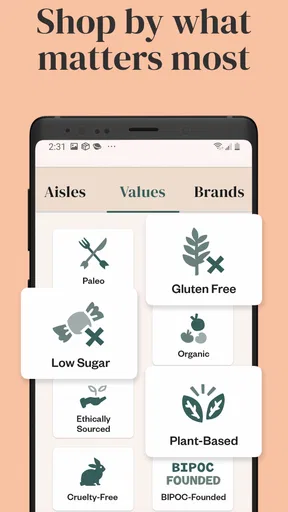
Thrive Market’s strongest role is helping me shop by intention. Instead of starting with a physical aisle, I can begin with the kind of product I need or the eating style I am trying to support. That is helpful when my search is more specific than “buy cereal” or “buy pasta.” I may be looking for a pantry item that aligns with a dietary preference, a snack for a particular household member, or a product that fits a broader interest in organic and sustainable shopping.
This kind of organization can reduce the mental effort of comparing a crowded shelf. It also encourages a more deliberate basket. I can decide whether a product solves a real need, whether a familiar alternative is already available at home, and whether ordering it online is worthwhile.
One practical tip is to use the app for discovery first and checkout second. I would browse a category, note the products that appear relevant, then review the cart as if I were checking a paper shopping list. That second pass is important because online stores make adding items very easy. The most useful savings often come from removing impulse purchases, not from finding one more attractive deal.
Where this app has an edge over ordinary grocery shopping
Compared with a conventional supermarket visit, the app gives me more control over when I shop. I can plan outside store hours, avoid a crowded aisle, and build a basket around household preferences rather than whatever catches my eye on a shelf. For people who live far from stores with a broad selection of organic or specialty products, that convenience can be more meaningful than a small difference in the price of one item.
It can also be more comfortable for shoppers who find grocery stores tiring or overwhelming. A carefully organized online order removes travel and much of the physical searching. Someone managing a busy schedule, limited mobility, or a household with several dietary considerations may value that reduction in friction.
Another strength is the way an online catalog supports comparison before commitment. In a physical store, I may be reluctant to stand in an aisle reading several labels while other shoppers pass by. On a phone, I can take more time and make a choice that feels considered. That is not a guarantee that every purchase will be ideal, but it improves the process for shoppers who care about ingredients and sourcing.
The app’s age rating is Everyone, which matches its broad grocery-shopping purpose. It is not presented as a specialist tool for professional buyers; it is a consumer app for ordinary household shopping. Its current version is 2.144.0, and it supports devices running Android 7.0 or later, making it accessible to many older Android phones as well as newer ones.
Three less obvious ways I would use it
First, I would use it as a pantry-planning tool rather than only a delivery service. Before placing an order, I would check several related categories and build a short list of dependable staples. That can reveal gaps in my routine, such as buying snacks often but forgetting cooking basics, or ordering a specialty item without planning the meals that use it.
Second, I would use a small “replacement test” before changing brands. If I normally buy a familiar product locally, I would order only a limited quantity of an alternative instead of rebuilding the entire pantry at once. This reduces waste if the taste, texture, packaging, or household acceptance is disappointing. Online convenience is most useful when it supports careful experimentation rather than encouraging a large untested order.
Third, I would separate urgent shopping from strategic shopping. I would reserve Thrive Market for products that benefit from advance planning and use a nearby store for same-day needs. Keeping those roles distinct prevents one of the common frustrations of delivery shopping: expecting a planned marketplace to behave like a local convenience store.
Where another shopping option may fit better
The usual supermarket remains the better choice when freshness, speed, or personal selection is the priority. If I need ripe fruit, a particular cut of produce, or an ingredient for tonight, the local option gives me immediate control. It also makes it easier to compare several brands in person and change direction when something is unavailable.
A general online retailer may fit better when my basket mixes groceries with unrelated household products. A supermarket’s own app may be preferable when I want local pickup, rapid delivery, or close integration with a store I already visit. A specialist food retailer may be stronger when I need one narrow category and want the deepest possible selection in that area.
That does not make Thrive Market weak. It means the app has a particular job. I see its value in a planned, health-conscious grocery workflow, not as a universal replacement for every store, every delivery service, or every form of food shopping.
The cost of changing my routine
Switching to an online grocery service has a learning cost even when the app itself is free. I need to learn where my usual products appear, remember to plan ahead, and become comfortable judging items through listings rather than by handling them. I also need to watch the total order rather than focusing only on individual product prices.
There is a behavioral cost as well. A physical shopping trip naturally limits how much I can carry. A phone makes it easy to add one more pantry item, one more snack, or a product that looks useful but is not urgent. My best defense is a written list and a pause before finalizing the basket. I would also avoid switching every familiar product at once; gradual testing gives me a clearer sense of what actually improves my routine.
For a household that already has a reliable local store nearby, the benefit may be modest. If the main need is low-cost everyday shopping with immediate pickup, convenience may not outweigh the effort of coordinating online orders. The app is more compelling when selection, planning, and access to specific grocery preferences matter enough to justify a different routine.
Who should try it
I would recommend trying Thrive Market if you enjoy planning grocery purchases, want a broader route to organic or sustainability-focused products, or regularly struggle to find certain items locally. It is particularly suitable for a household that can combine several needs into a planned basket and wait for delivery instead of making repeated urgent trips.
I would be more cautious if you shop almost entirely for fresh food, need groceries immediately, or prefer choosing every item in person. I would also skip it as my only grocery option if my budget depends on comparing local promotions one store at a time. In those cases, a nearby supermarket or its own shopping app may offer a more direct fit.
My final recommendation
After using it as a decision-making tool, I see Thrive Market: Shop Healthy as a useful addition to a grocery routine rather than a complete replacement for local shopping. Its free entry point, broad consumer focus, and strong 4.8 average make it easy to consider, while its real value comes from planned orders and access to products that may not be convenient to find nearby.
My recommendation is to start with one carefully prepared basket, compare the complete cost and convenience with your usual store, and judge the experience by how much effort it removes from future shopping. The best reason to use it is not simply that it delivers groceries; it is that it can make intentional pantry planning easier. If that matches the way you shop, this app is worth keeping. If you need instant purchases, highly personal fresh-food selection, or the lowest possible local price every time, another option will probably serve you better.
Pros
- Wide selection of organic
- non-GMO
- and specialty foods
- Convenient grocery shopping with scheduled home delivery
- Personalized recommendations help discover healthier products
- Member-only discounts can reduce prices on frequent purchases
- Filters make it easier to find vegan
- gluten-free
- or keto items
Cons
- Membership fee may not be worthwhile for occasional shoppers
- Availability and delivery options vary by location
- Some products can cost more than comparable supermarket brands
- Fresh-food selection may be more limited than regular grocery stores
- Orders may require planning because shipping is not always immediate
FAQs for Thrive Market: Shop Healthy
What is Thrive Market: Shop Healthy, and what can I buy through the app?
Thrive Market: Shop Healthy is a shopping app for ordering natural, organic, and better-for-you groceries and household products. After browsing the catalog, you can search by brand, dietary preference, ingredient, or product category. The selection commonly includes snacks, pantry staples, supplements, beauty products, cleaning supplies, and items for specific lifestyles such as keto, vegan, gluten-free, or paleo.
Do I need a membership to shop on Thrive Market?
Thrive Market is primarily designed around a paid membership model, so users should review the current membership terms before placing an order. Membership may provide access to member pricing, exclusive products, and shipping-related benefits, while nonmembers may have limited purchasing options depending on the current policy. Check the checkout screen carefully for renewal details, fees, and any available trial period.
How does shipping work, and can I track my order?
The app provides delivery information during checkout, including the available shipping method, estimated arrival time, and applicable costs. After an order is processed, tracking details are generally available from the order history section or through shipping notifications. Delivery times can vary based on location, product availability, weather, and whether an item requires special handling, so estimates should not be treated as guarantees.
Are Thrive Market products genuinely organic, healthy, or suitable for special diets?
The app makes it easier to find products using filters for dietary needs, ingredients, certifications, and lifestyle preferences, but shoppers should still read each product’s label and description. A product marketed as natural or better-for-you may not suit every individual. People with allergies, medical conditions, or strict dietary requirements should verify ingredients, allergen statements, certifications, and manufacturer information before purchasing.
Is the Thrive Market app safe to use, and what should I know before downloading it?
The official app is intended to let users browse products, manage a membership, place orders, save payment details, and review previous purchases. Before downloading, use the verified listing from the Apple App Store or Google Play and check the developer name. Also review requested permissions, privacy information, subscription terms, cancellation instructions, and return policies so there are no surprises after creating an account.


